

Why do I feel so bloated??
Do you ever feel like you’re 4 months pregnant when you’ve barely eaten anything? Are there certain foods you just cannot eat because you know you’ll feel miserably full and bloated afterwards? Do you sometimes feel like you’re carrying a bowling ball around in your belly? Is constipation, diarrhea, or maybe both a part of your daily life?
These are some of the most common gut complaints I hear every day. Most of these clients have found little relief from their providers and many of them have been referred to GI specialists, still with no solutions except a diagnosis of IBS (irritable bowel syndrome). IBS is typically diagnosed by a GI Specialist when no other cause can be found for symptoms such as bloating, gas, constipation, diarrhea and abdominal pain.
Common causes of bloating, gas and GI distress
-
1. SIBO (small intestinal bacterial overgrowth)
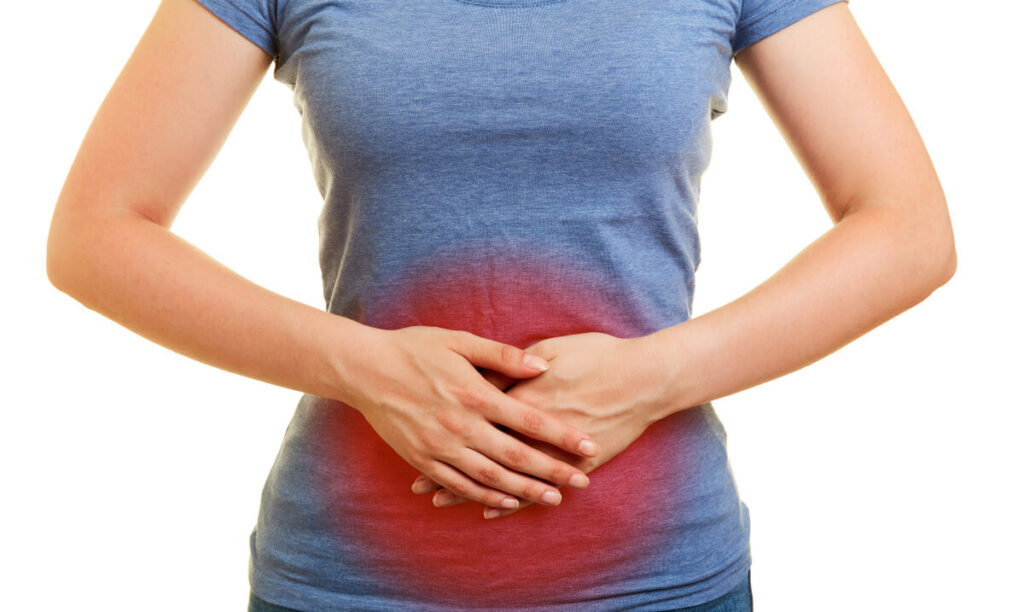
More than 60% of IBS cases are due to a condition called SIBO in which an overgrowth of bacteria occur in the small intestine, where you typically should have very few. (6) As these bacteria sit in the small intestine, they feed on various sugars and fibers commonly known as FODMAPS and release gasses which are responsible for the bloating. -
2. Hypochlorhydria or low stomach acidity
When we eat the parietal cells in our gastric lining release several chemicals, one of which is hydrochloric acid or HCL. Many factors contribute to low stomach acid including chronic use of PPIs or other acid-reducing medications and aging. HCL is responsible for helping us to break down food and for activating other enzymes such as pepsin, which helps us break down protein. When food isn’t broken down completely, it can sit in the stomach and putrefy. HCL is also responsible for killing harmful bacteria in the gut, therefore low stomach acidity can allow a bacterial overgrowth to occur. Hypochloridria is often responsible for the bloating and gas that occurs immediately after meals.
-
3. Lactose intolerance
Some people lack the enzyme lactase which is responsible for breaking down the lactose component of dairy. As a result, undigested lactose sits in the gut and ferments, causing bloating, gas, diarrhea and abdominal pain.
-
4. Food sensitivities

Many people report digestive symptoms after ingesting certain foods such as corn, gluten and dairy. You don’t have to have celiac disease or lactose intolerance to experience side effects from gluten and dairy. In a double-blind randomized placebo-controlled study participants reported significant symptomatology after ingesting wheat and other gluten-containing products as compared with controls. (4). Additionally, many of these foods contain chemicals such as glyphosate (Roundup) that further exacerbate bacterial overgrowth in the gut. -
5. Pancreatic exocrine insufficiency (PEI)
In this condition the pancreas does not produce enough enzymes (1). As a result, fat malabsorption occurs, which is responsible for bloating, gas and abdominal pain. PEI can occur for many reasons such as disorders of the pancreas, celiac disease, IBD, and chronic alcohol and tobacco use. Treatment is aimed at determining the underlying cause and often pancreatic enzyme replacement is necessary. (2)
-
6. Loss of gut motility
When the migrating motor complex (the nerves that innervate the gut) isn’t functioning well, gut motility is slowed, which can cause digestion to slow down, resulting in constipation and bloating. Many conditions can impact the migrating motor complex including traumatic brain injuries, stress, hypothyroidism and even autoimmune conditions that can be triggered by GI infections and food poisoning. (5)

If you’re like many of my clients you’ve tried eliminating so many of the bothersome foods that you’re now finding it hard to eat, especially at social events. You’re probably embarrassed to go in public or wear certain clothes that accentuate your “belly bloat”. You may even feel like your quality of life has been severely impacted.
If any of this resonates with you don’t try to go at it alone. It’s important to find a qualified functional medicine provider to help uncover the root cause and determine a customized plan of care to get you feeling great again!
- https://pubmed.ncbi.nlm.nih.gov/20572300/
- https://www.wjgnet.com/1007-9327/full/v19/i42/7258.htm
- https://owlcation.com/stem/Hydrochloric-Acid-in-the-Stomach-and-Digestive-Problems
- https://pubmed.ncbi.nlm.nih.gov/21224837/
- https://www.ncbi.nlm.nih.gov/pmc/articles/PMC7043993/
- https://www.frontiersin.org/articles/10.3389/fpsyt.2020.00664/full
Need personalized help to get your health back on track?
Contact Sarah to learn how the Wild Fig Method can help you get to the bottom of what’s causing your symptoms.

Sarah Carson is a board certified nurse practitioner and functional medicine practitioner who specializes in diagnosing and treating hormone imbalances, digestive disorders, thyroid disorders, and more. She is determined to find the underlying cause of your symptoms and uses an individualized, evidence-based, whole-body approach to diagnose and treat, using natural-first solutions and prescribing medications when necessary. Wild Fig Functional Medicine is located in Austin, TX, but Sarah provides virtual functional medicine services throughout Texas.
Recent Posts

Join the Facebook conversation
Take the HORMONE HEALTH QUIZ

Ever wonder why you feel more tired than usual, you suffer from brain fog, or you can't sleep like you used to?
Hormone imbalances could
be playing a role.
Learn more about which hormones are responsible for the symptoms you’re experiencing so you can take the first steps towards a more balanced life.